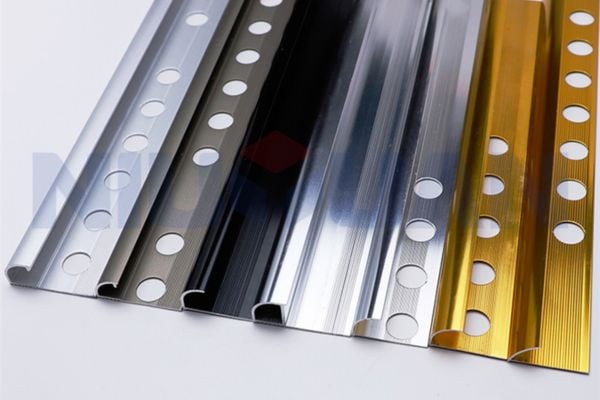
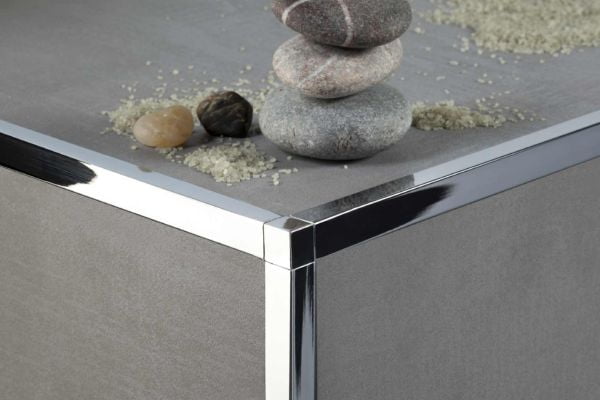
You picked the perfect tile. But exposed edges can chip and look unfinished. This small detail can ruin your entire project.
The best tile trim materials are aluminum for its balance of cost and style, stainless steel for durability in high-traffic areas, and PVC for budget projects and wet environments.
I remember one of my first jobs. The client loved their new marble backsplash. But the contractor used a cheap plastic trim that yellowed in six months. We had to redo it. That’s when I learned a lesson: trim matters.
What is Tile Trim and Why is it Essential?
So, let’s talk about tile trim. You might hear it called tile edging or a Schluter strip. It’s a profile that covers the unfinished edge of your tile. I think of it as having two main jobs. The first job is protection. The second job is style.

Its first job is to protect your tile. A raw tile edge is sharp and fragile. Trim covers that edge. This stops it from chipping if something bumps into it. In a shower, trim also helps keep water out of the corners. This prevents mold and water damage behind the wall. It’s a small piece that does a very big job.
Its second job is to make your work look good. Tile trim creates a clean line. It makes a smooth transition from your tile to the wall or another floor. You can use it to frame a backsplash or a shower niche. It hides any small mistakes in your tile cuts. A good trim choice is the difference between a project looking “DIY” and looking truly professional.
Understanding Trim Profiles (Shapes)
The material is important, but so is the shape, or profile. The shape you choose affects the final look. I’ve installed hundreds of these, and most fall into a few common categories.
| Trim Profile | Description | My Go-To Use Case |
|---|---|---|
| L-Shape (Square Edge) | Creates a clean, 90-degree corner. | Perfect for modern backsplashes and floor transitions. |
| Round Edge | Has a soft, curved edge. | I use this often in bathrooms. It’s safer if you bump into it. |
| Quadrant | A curved profile for internal corners. | Great for shower corners to make cleaning easy. |
| Cove Shape | Creates a curved transition from floor to wall. | A must-have for commercial kitchens and sanitary areas. |
The Top 5 Tile Trim Materials:
Choosing the right material is the most important step. I have worked with all of them. Each one has its place. Let’s break them down.

PVC (Plastic)
PVC is a plastic tile trim. It is often the cheapest option you will find at the hardware store. It comes in a ton of colors. This makes it easy to match your grout or tile.
- Pros: It costs the least. It’s totally waterproof. It will not rust. It is also very easy for a DIYer to cut. You just need a simple handsaw.
- Cons: It can get scratched easily. Sunlight can make it turn yellow or become brittle over time. And I’ll be honest, it sometimes looks less expensive than other materials.
- Best For: I use PVC tile trim when the budget is the number one priority. It works well in bathrooms, laundry rooms, and other areas that don’t get a lot of wear and tear.
Aluminum
Aluminum is my go-to material for most jobs. It hits that sweet spot between cost, looks, and strength. You can find it in many different finishes. It can be shiny, brushed, or even colored.
- Pros: It is light but strong. It resists rust very well. The variety of finishes is a huge plus. It lets me match it to faucets and other fixtures. The price is fair for the quality you get.
- Cons: It is softer than steel. You can dent or scratch it if you are not careful. I also avoid using it in places with harsh chemicals, like a public pool area.
- Best For: I recommend aluminum tile trim for almost any home project. It’s great for shower walls, kitchen backsplashes, and most floors. It gives a clean, modern finish that most of my clients love.
Stainless Steel
When a job needs to be tough, I choose stainless steel tile trim. It has a modern, almost industrial look. It is the most durable option you can buy for common projects.
- Pros: This stuff is incredibly strong. It resists scratches, dents, and stains. It will not corrode, even with harsh cleaners. It is also very hygienic, which is why you see it in commercial kitchens.
- Cons: It costs more than aluminum and PVC. Cutting it is also tougher. I always use a grinder with a special metal-cutting disc. A hacksaw will not work well. The shiny versions can also show fingerprints.
- Best For: For high-traffic floors, this is the only choice for me. I also use it in commercial spaces, outdoor patios, and anywhere that needs to withstand a lot of abuse.
Brass
Brass is about making a statement. It is a luxury choice. It brings a warmth and elegance that other metals do not have. I use it when a client wants a classic or very stylish look.
- Pros: The look is unique and high-end. It’s very durable. Over time, it can develop a patina, a soft tarnish that many people find beautiful.
- Cons: It is the most expensive of these common metals. It will tarnish, so it needs polishing if you want to keep it shiny. This is a deal-breaker for some clients who want low maintenance.
- Best For: I use brass tile trim as a design element. It is perfect for framing a feature wall or complementing brass faucets and fixtures in a luxury bathroom. It’s more for looks than for pure function.
Stone and Ceramic/Porcelain
Sometimes, you don’t want to see a metal edge at all. In these cases, I use trim made from stone or porcelain. This is often called a “bullnose” tile. It has a finished, rounded edge.
- Pros: It matches your main tile perfectly. This creates a very seamless and traditional look. The durability is the same as your tile.
- Cons: These pieces can be very expensive. Your shape options are also limited. The bullnose is the most common, but you won’t find many other profiles. They can also break or chip during cutting.
- Best For: When I am installing natural stone like marble or travertine, I always try to use a matching stone tile trim. It honors the material. It’s also great for traditional designs where a metal edge would look out of place.
Material Comparison
I made this table to help you see the differences quickly. It helps to simplify the choice.
| Material | Cost | Durability | Best For | My Quick Thought |
|---|---|---|---|---|
| PVC | $ | Low | Wet areas, low-traffic, budgets | Good for a quick, cheap fix. |
| Aluminum | $$ | Medium | General use, walls, floors | The best all-around choice for most homes. |
| Stainless Steel | $$$ | High | High-traffic floors, commercial | Use it where things need to last forever. |
| Brass | $$$$ | High | Decorative accents, luxury design | Choose this for the look, not the price. |
| Stone/Ceramic | $$-$$$$ | High | Matching stone tile, traditional look | The best choice for a seamless finish. |
How to Choose the Right Trim for Your Project?
So, how do you pull this all together and make a choice? I walk myself through four questions on every job.

- First, where is the tile going? A bathroom shower needs something that can handle water day after day. So, I would pick PVC, stainless steel, or a good quality aluminum. A busy entryway floor needs something that can handle boots and dropped keys. So, I would pick stainless steel. A kitchen backsplash is a bit easier. Aluminum or even PVC can work there.
- Second, what is your style? If you have modern, sleek cabinets, a square-edged aluminum or stainless steel trim will look great. If you have a classic farmhouse kitchen, a ceramic bullnose edge might be better. I have used black trim with white subway tile for a bold, graphic look. I have also used trim that matches the grout color to make it almost disappear. The trim is a design choice.
- Third, what is your budget? Be realistic about your budget. Trim is a small part of the total cost, but premium materials add up. But remember that story I told you. A cheap trim can ruin an expensive tile job. It is often worth spending a little more here to protect your bigger investment.
- Finally, who is doing the installation? If you are a DIYer, I recommend PVC or aluminum. They are easy to cut and handle. If you want to use stainless steel, you need the right tools. If you are hiring a pro, you can choose any material you want. Just make sure they have experience with it.
Conclusion
Choosing the right tile trim is a critical final step. It is not just an accessory. It protects your investment and defines the final look of your space. We have looked at the main materials. PVC is your budget-friendly worker. Aluminum is the versatile all-star. Stainless steel is the tough protector. Brass is the luxury statement piece. And stone or ceramic trim gives you that seamless, classic finish.
The best material is the one that fits your location, your style, and your budget. When you’re ready to find that perfect tile edge trim for your project, the team at NIUYUAN is here to help. We specialize in high-quality tile trims for every application. Contact us today, and let’s put the perfect finishing touch on your project together.