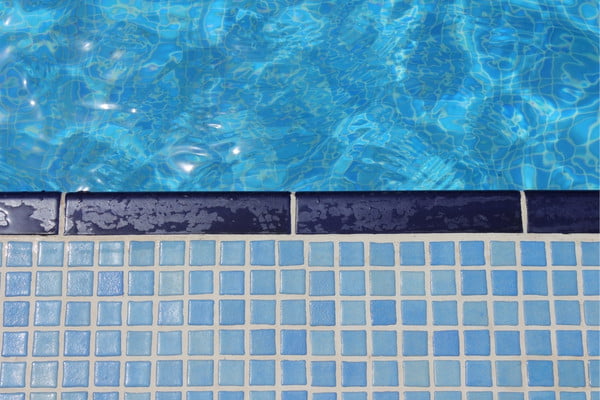
Are you tired of ugly, unfinished tile edges? Do you worry about chips and cracks ruining your perfect tile job? Tile edge trim is the simple solution you need.
Tile edge trim protects the vulnerable edges of your tiles from damage, covers unsightly raw edges, and provides a clean, professional finish to any tiled surface. It keeps your tile work looking great for years.
When I first started tiling, I didn’t understand the importance of trim. My edges always looked rough. Then a veteran tiler showed me the magic of trim. It transformed my projects from amateur to amazing.
Is Tile Edge Trim Necessary?
Are you wondering if you can skip tile trim on your next project? Think again! Ignoring trim can lead to costly mistakes and a less durable finish.
Tile edge trim is necessary for both aesthetics and durability. It provides protection against chipping, prevents moisture intrusion, and creates a neat, finished look, making your tiled surface last longer and look better.

When I was tiling my first bathroom, I considered skipping the trim to save time. I thought, “Who will notice?” Boy, was I wrong! The raw edges were a magnet for dirt and chipping, and the entire project looked unfinished. That experience taught me a valuable lesson: tile trim is non-negotiable for a professional result. It makes a big difference in both how the tile looks and how well it holds up over time. It is a small detail that has a large impact.
Benefits of Tile Edge Trim
| Benefit | Description |
|---|---|
| Protection | Trim shields tile edges from impacts and wear. This stops chips and cracks from forming. It also helps tile last longer. |
| Aesthetics | It covers rough, cut edges. This gives a clean, straight line. It makes the tiled area look finished and professional. It also helps lines look consistent. |
| Safety | Sharp tile edges can be dangerous. Trim covers these sharp parts. This prevents cuts and scrapes. It is especially important in high-traffic areas or where kids play. |
| Hygiene | Trim seals the gaps at tile edges. This stops dirt and grime from building up. It also helps keep out moisture. This prevents mold and mildew. It makes cleaning easier too. |
| Structural integrity | Trim helps hold tiles in place. It prevents them from lifting or shifting. This is especially true for mosaics or small tiles. It makes the entire tiled surface more stable. This also adds to the overall strength of the installation. |
What is the Function of Tile Trim?
Have you ever wondered what tile trim actually does? It’s more than just a decorative strip. Understanding its function can change how you approach your tiling projects.
Tile trim’s main function is to protect exposed tile edges from damage like chipping and cracking. It also provides a clean, finished appearance, covers uneven cuts, and prevents moisture from seeping behind tiles, enhancing the overall durability and look of your tiled surface.

I remember one job where I used mosaic tiles. The edges were incredibly fragile. Without trim, they would have crumbled with the slightest bump. The trim I installed not only protected them but also brought the whole design together. It gave the mosaic a picture-frame effect that made it pop. It proved to me that trim is not just for protection, but for presentation too. It shows the careful thought behind the work.
Key Functions of Tile Trim
Tile trim serves several important purposes in any tiling project. It protects the tiles themselves. It also makes the whole job look better.
- Edge Protection: The most important function of tile trim is to protect exposed tile edges. Tiles, especially ceramic and porcelain, can chip or crack easily when hit. Trim acts as a shield. It takes the impact instead of the tile. This is very important in high-traffic areas like doorways or corners.
- Aesthetic Finish: Trim creates a clean, straight line where tiles end. Without trim, you might see uneven tile cuts. You might also see adhesive. Trim covers these imperfections. It gives the tiled area a professional look. It makes the whole space feel more finished. It also helps blend different surfaces smoothly.
- Hygienic Barrier: Trim forms a seal along the edges of the tile installation. This stops water, dirt, and grime from getting behind the tiles. This is very important in wet areas like bathrooms and kitchens. It helps prevent mold and mildew growth. It makes cleaning easier too.
- Transition Management: When tile meets another surface, like carpet or hardwood, trim creates a smooth transition. It bridges the height difference. This prevents trip hazards. It also makes the change from one floor type to another look good. It can also be used to finish off backsplashes where they meet the wall.
Can You Tile Edges Without Trim?
Are you thinking about tiling without using trim? It might seem like a shortcut, but it often leads to problems you’ll regret later.
You can tile edges without trim, but it is generally not recommended. Exposed tile edges are prone to chipping and damage, look unfinished, and can allow moisture to penetrate behind the tiles, leading to potential issues like mold or tile failure.

Once, a client insisted I tile a small area without trim, thinking it would look more “minimalist.” I warned them about the risks, but they were set on it. Within months, the corners were chipped and the grout was stained from dirt getting trapped. They called me back to fix it, and adding the trim then was a much harder job than doing it right the first time. I learned that sometimes, what looks simple is actually a recipe for future headaches.
Challenges of Tiling Without Trim
Tiling without trim presents several challenges. These issues affect both the look and the lifespan of your tile work.
- Vulnerability to Damage: The edges of tiles are their weakest point. Without trim, they are fully exposed to bumps and impacts. This makes them very likely to chip, crack, or break. This means you might need repairs much sooner. It also makes the job look old quickly.
- Unfinished Appearance: Cut tile edges are often rough or jagged. They might also show the raw ceramic or porcelain body of the tile. This looks messy and unprofessional. Trim covers these flaws. It gives a crisp, clean line. Without it, your tile work can look incomplete. It lacks that polished touch.
- Moisture and Dirt Accumulation: Grout lines at edges can be harder to seal perfectly. Without trim, there is a greater chance for water and dirt to get behind the tiles. This can lead to serious problems like mold, mildew, and even structural damage to the wall or floor beneath. This is especially true in bathrooms and kitchens.
- Safety Hazard: Exposed tile edges, especially those that are not perfectly smooth, can be sharp. This poses a safety risk, particularly in areas where people might brush against them. It can cause cuts or scrapes. Trim removes this danger by covering the sharp parts. It makes the area safer for everyone.
Where Do You Use Tile Edge Trim?
Are you unsure where tile edge trim is most useful? Knowing the right spots for trim can make all the difference in your tiling projects, both for looks and durability.
Tile edge trim is primarily used anywhere a tile installation ends or transitions, such as at outside corners, around windows, along baseboards, on countertops, and at the edges of backsplashes, providing a finished look and protecting vulnerable tile edges.

I always tell people that if you can see a tile edge, it probably needs trim. I learned this the hard way on my first kitchen backsplash. I thought the cabinet would hide the top edge, but it didn’t. The unfinished line bugged me every time I walked into the kitchen. Adding a subtle trim later made all the difference and taught me to always consider the visible edges. It’s a small detail that has a large impact on the final look.
Common Areas for Tile Edge Trim Application
Tile edge trim is versatile. You can use it in many places to improve your tile work.
- Outside Corners: This is one of the most common places for trim. When two tiled walls meet at an outside corner, the edges are very exposed. Trim protects them from chipping. It also gives a sharp, clean corner. This looks much better than mitered edges that can be tricky to align.
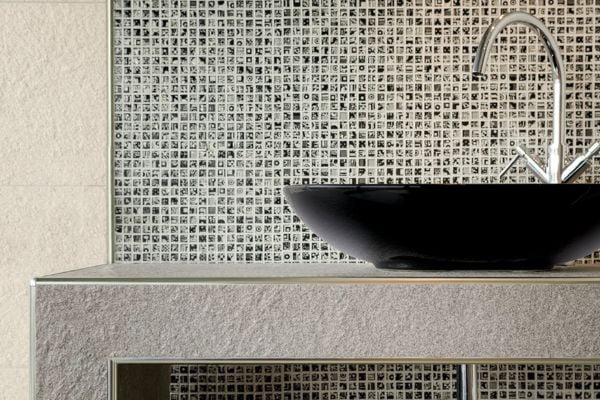
- Backsplashes: Where a kitchen or bathroom backsplash ends, especially against a painted wall or at the side of a cabinet, trim provides a finished edge. It prevents raw tile edges from showing. It also helps seal the area against splashes. This keeps the wall clean.
- Window and Door Frames: If you tile around a window or door, trim is essential. It frames the opening neatly. It covers any cut edges of the tiles. This gives a very tidy appearance. It also creates a smooth transition from the tile to the window or door frame.
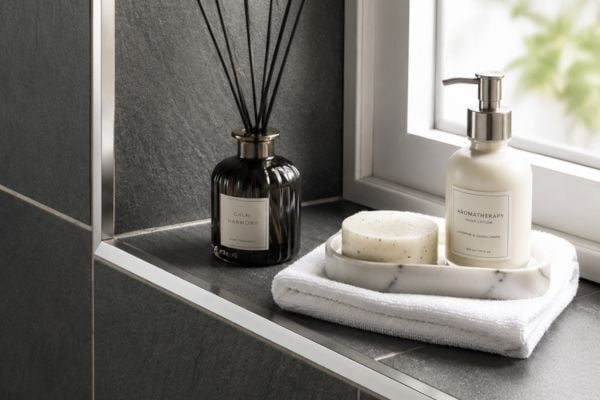
- Countertops and Niches: The exposed edges of tiled countertops, shower niches, or shelves need trim. It protects these high-traffic areas from chips. It also gives them a professional, solid look. It is important for hygiene here too, preventing water from getting underneath.
- Floor Edges and Transitions: When tile flooring meets another type of flooring, or at a doorway, trim creates a smooth transition. It covers the cut edges of the floor tiles. It also helps bridge any height differences. This prevents trip hazards. It also makes the floor look seamless.
- Shower Curbs and Benches: In showers, the edges of curbs and built-in benches are constantly exposed to water and impact. Trim protects these edges and helps with proper drainage. It creates a durable and waterproof seal. It also makes these features look custom-made.
Conclusion
Tile edge trim serves to protect vulnerable tile edges, enhance aesthetics, and ensure durability. It provides a finished look and prevents damage, making it essential for lasting, beautiful tile installations.
If your business requires purchasing or customizing tile trims, NIUYUAN is an excellent choice. You can browse our tile trims collection, and we also offer customization services.