Tired of sharp tile edges? Worried about chips and an unfinished look? Bullnose trim offers a clean, safe, and stylish solution for your tiling projects.
Bullnose tile trim is a type of finishing piece. It has a rounded edge. This creates a smooth, finished look for tile installations. It also protects edges from chipping and provides a safe, rounded corner.
Now you know the basics of bullnose. But there’s more to consider. Let’s explore some common questions to help you decide if it’s right for your project. You might be surprised by what you learn.
Is bullnose outdated?
Wondering if bullnose will make your new tile job look old-fashioned? Concerned about modern alternatives? Let’s find out if bullnose still has a place in today’s design.
No, bullnose isn’t necessarily outdated. While modern alternatives exist, bullnose offers a classic, clean finish. Its suitability depends on the overall design aesthetic and personal preference. Many still choose it for its simple, rounded edge.
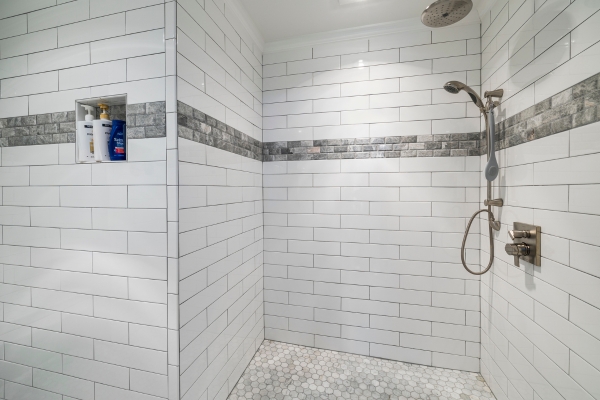
Some people ask me if bullnose is a dated look. I tell them it really depends on the tile and the overall style you want. It’s true that very sleek, modern designs sometimes use metal L-shaped profiles or straight-edged tiles for a sharp look. However, bullnose has a softness that many people still appreciate. I remember working on a bathroom remodel for a client who wanted a very cozy, traditional feel. Bullnose was the perfect choice for the shower niche and wall edges. It just blended seamlessly and felt right for that space.
There are a few reasons bullnose remains a strong contender. It has a timeless, classic appeal. It doesn’t try too hard. Those softer lines can be very desirable in many designs, not just traditional ones. I’ve used it in transitional and even some softer contemporary homes where the client didn’t want overly sharp edges everywhere. Plus, it’s practical. Bullnose is durable, usually easy to clean, and that rounded edge is definitely safer, especially if you have kids. Another big plus is that bullnose pieces are often available in the exact same material and color as your field tile. This means you get a perfect match, which isn’t always easy with other trim options.
Bullnose: Timeless or Tired?
| Feature | Perception as “Outdated” | Perception as “Classic” | My Take |
|---|---|---|---|
| Aesthetic | Can seem bulky to some | Soft, finished, integrated look | Depends on the tile thickness and the overall design. |
| Alternatives | Metal trims are very popular | Still a go-to for many styles | Both have their place; it’s about the desired effect. |
| Functionality | Always functional | Always functional | Functionality, especially safety, never goes out of style. |
| Versatility | May seem less “ultra-modern” | Suits many different styles | It’s surprisingly versatile if you consider the whole look. |
So, is it outdated? I don’t think so. Bullnose can look fantastic in the right context. I’ve seen it used beautifully in very modern homes where a slightly softer edge was desired to prevent a sterile look. It’s all about the application and personal taste.
What does bullnose trim look like?
Can’t quite picture bullnose trim? Unsure how it differs from a regular tile edge? Let’s get a clear image of this common finishing piece.
Bullnose trim looks like a standard tile on most sides, but one edge is curved or rounded. This creates a smooth, finished profile. It’s designed to provide a soft transition from the tiled surface to the adjoining wall or area.
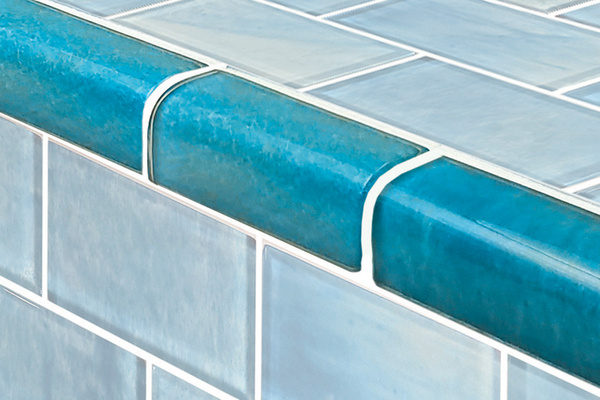
The key thing about bullnose is that special rounded edge. Imagine a regular square or rectangular tile. Now, picture one of its edges being gently sloped and rounded over, kind of like the curve on a bull’s nose – that’s where the name comes from. This isn’t a sharp, abrupt end; it’s a soft, gradual curve. When I first started tiling, I quickly learned to appreciate how this simple curve could elevate the entire look of an installation. It makes everything feel more professional and complete.
Bullnose tiles are usually made from the same material as the field tiles you’re using, whether it’s ceramic, porcelain, or natural stone. This is great because it means you get a perfect match in color, texture, and sheen. There are a few common types. “Single bullnose” is the most common; it has one rounded edge. You’d use this for the edges of tiled walls, countertops, or shower curbs. Then there are “bullnose corner” pieces, sometimes called double bullnose, designed for outside corners. These have the rounded edge wrapping around two sides. I recall a specific project where we used a special order double bullnose on a countertop edge – it had rounded edges on two opposite sides, creating an even softer, more substantial look, though that’s less common for standard trim.
Bullnose Variations
| Type | Description | Common Use Examples |
|---|---|---|
| Single Bullnose | One edge is factory-finished with a smooth, rounded contour. | Edges of tiled walls, backsplashes, shower curbs. |
| Corner Bullnose | Two adjacent edges are rounded, forming a finished outside corner. | External corners of tiled walls, benches, or niches. |
| Double Bullnose | Can mean a corner piece, or a tile with two opposite rounded edges. | Corner finishing, sometimes for specific design elements. |
This rounded edge isn’t just about looks, though that’s a big part of it. It makes the tile edge less prone to chipping. It’s also much safer, especially in high-traffic areas or places where you might brush against it, like a shower wall or a kitchen countertop edge.
Is it better to use Schlüter or bullnose?
Choosing between edge treatments? Confused by Schluter systems versus traditional bullnose? Let’s compare these popular options to see which fits your needs best.
Neither Schlüter (metal trim) nor bullnose is universally “better.” Schlüter offers a modern, sleek look and various profiles. Bullnose provides a classic, integrated finish. The best choice depends on your desired aesthetic, budget, and installation specifics.
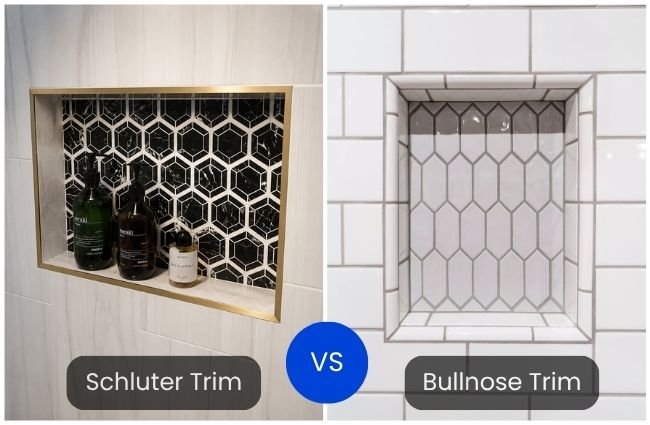
This is a question I get asked a lot. Both Schluter-style metal trims and traditional bullnose have their pros and cons. Let’s break it down.
Schlüter systems and similar metal tile trims are very popular for contemporary and modern designs. They offer a really clean, minimalist look. You can get them in a wide range of profiles – square, rounded, L-angle, even cove shapes for inside corners. They also come in different materials like aluminum, stainless steel, and even PVC, with various finishes (shiny, brushed, colored). I’ve used Schluter in many modern kitchen backsplashes and bathrooms, and it gives a really sharp, high-end feel. The downside? They can sometimes be more expensive than bullnose, especially for the fancier finishes. Installation requires a bit of precision, too. And, honestly, some people just don’t like the look of metal next to their tile, or it might not suit a more traditional or rustic style.
Conversely, Bullnose gives you that classic, integrated look because it matches your field tile. It generally tends to be more affordable, assuming bullnose pieces are available in the tile line you’ve chosen. The edge is softer, which some people prefer visually and for safety. Bullnose can suit a wider range of styles, from very traditional to transitional. The main con for bullnose is that it might not be available for all tile lines, especially some unique artisan tiles or large-format tiles. I remember one project with a beautiful imported tile, and finding a matching bullnose was a real headache; we ended up having to custom-grind and polish edges, which was time-consuming. Also, some people feel bullnose can look a bit bulkier than the sleek metal trims.
Schlüter vs. Bullnose at a Glance
| Feature | Schlüter (Metal Trim) | Bullnose Tile Trim | My Thoughts |
|---|---|---|---|
| Look | Modern, sleek, crisp lines, can provide contrast | Classic, integrated, soft edges, blends in | This is purely down to the style you’re aiming for in your room. |
| Material | Metal (aluminum, stainless steel, brass), PVC | Same as field tile (ceramic, porcelain, stone) | Metal gives an accent. Tile trim gives a seamless look. |
| Cost | Can be higher, especially for premium metals/finishes | Often more affordable if readily available | Budget can definitely be a deciding factor for some projects. |
| Availability | Widely available from various manufacturers | Depends on the specific tile line and manufacturer | Sometimes finding the perfect bullnose match can be tricky for unique or imported tiles. |
| Installation | Requires precision, different technique, cut with hacksaw | Standard tiling practice, cut with tile saw | Both need care, but Schluter might have a slightly steeper learning curve for DIY folks. |
Ultimately, the decision of Schluter versus bullnose comes down to the specific project requirements and your personal taste. For a super modern, minimalist bathroom, I might lean towards a Schluter trim. For a cozy farmhouse kitchen or a classic subway tile shower, bullnose often feels more appropriate and looks fantastic. There’s no single right answer for every situation.
What is the purpose of a bullnose?
Why bother with special edge pieces? Is bullnose just for show, or does it serve a real function? Let’s uncover the important jobs bullnose trim performs.
The main purpose of bullnose is to create a finished, smooth, and rounded edge for tile installations. This protects the raw tile edge from damage, prevents injuries from sharp edges, and provides a more aesthetically pleasing, clean transition.
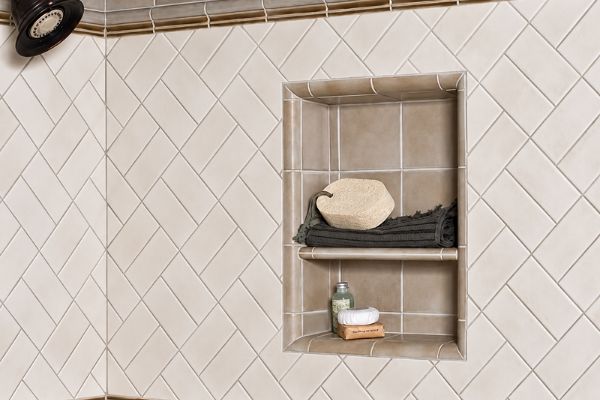
Bullnose trim isn’t just a pretty face; it has several important jobs. When I explain it to clients, I usually focus on three key benefits: protection, safety, and aesthetics.
- let’s talk about protection. An unfinished tile edge, especially with ceramic or porcelain tile, is quite vulnerable. It can easily get chipped or cracked if something bumps into it. Bullnose provides a durable, rounded edge that is much more resistant to impact and daily wear and tear.I’ve seen so many installations done without proper edging where the tiles start to chip within a year or two, especially on outside corners or the edges of steps. It also helps to protect the underlying substrate from moisture getting in at the edges, particularly in wet areas like showers, though proper waterproofing membranes are the main defense there.
- Safety: A raw, cut tile edge can be surprisingly sharp. It can definitely cause cuts or scrapes if you brush against it. The rounded profile of a bullnose makes the edge much safer. This is really important in areas with children or high foot traffic.Think about shower curbs, bathroom vanity countertops, or tiled benches. I always, always recommend using bullnose or a similarly soft edge in these spots for safety reasons.
- Of course, is aesthetics. Bullnose creates a clean, professional, and truly finished look. It allows for a smooth visual transition from the tiled surface to an adjacent wall or floor, or it neatly caps off an exposed edge. Without it, a tile installation can look incomplete or a bit amateurish.The bullnose also conceals the unglazed body of the tile (the “biscuit”) that would otherwise be exposed on the edge, which is usually a different color and texture from the glazed surface.
Key Functions of Bullnose Trim
| Purpose | Description | Why It Matters | My Experience |
|---|---|---|---|
| Edge Protection | Shields the relatively fragile raw tile edge from chips, cracks, and general wear. | Increases the durability and extends the lifespan of the tile work. | This is essential for any exposed edge to prevent ugly damage and costly repairs later. |
| Safety | Provides a smooth, rounded contour, significantly reducing risk of cuts or scrapes. | Critically important in high-traffic areas and for homes with children. | A non-negotiable for me on shower benches, niche edges, and low wall caps. |
| Aesthetics | Creates a visually appealing, finished, cohesive, and professional look. | Enhances the overall perceived quality and design of the space. | It’s often that final touch that makes a tile job look truly complete and well-done. |
| Concealment | Hides the unglazed, less attractive body of the tile that is visible at the edge. | Provides a consistent and clean visual from all angles. | Especially important for tiles where the body color differs greatly from the glaze. |
So, you see, bullnose isn’t just a decorative afterthought. It plays a crucial role in the longevity, safety, and overall quality of any tile installation. It’s one of those small details that makes a really big difference in the final result.
Conclusion
Bullnose trim is a functional and aesthetic choice for finishing tile edges, offering protection, safety, and a clean, professional look to any tile project.